 Ultimate guide
The Complete Guide to Luxury Event Lighting Design Techniques
Last Updated: October 24, 2026
Quick Summary
Luxury event lighting design is the strategic use of light to create atmosphere, direct attention, and enhance the aesthetic of high-end gatherings by sculpting space with color, intensity, and movement. Every fixture, color choice, and angle serves a purpose, with the difference between adequate and exceptional lighting lying in intentionality and understanding spatial context.
- Warm light at 2700K-3000K creates intimacy; cool light at 5000K and above feels modern and energetic.
- Dim lighting under 50 foot-candles signals luxury and exclusivity, while bright lighting over 100 foot-candles energizes space.
- Layered lighting combines ambient, accent, task, and decorative layers to create visual depth and flow.
- Each uplighting fixture typically draws 150-250 watts, requiring dedicated circuits and proper power distribution planning.
- Specify LED fixtures with CRI above 90 and consistent color temperature to ensure accurate photography and video documentation.
Table of Contents
- Understanding Luxury Event Lighting Design Techniques
- How Lighting Shapes Mood and Atmosphere
- Wedding Lighting Ideas and Reception Ambiance
- Mastering Event Uplighting for Architectural Impact
- Building Layered Lighting and Focal Point Strategies
- Event Lighting for Photography and Visual Documentation
- Creating a Lighting Design Plan for Events
- Visualizing Your Luxury Event Lighting Before Setup
- Frequently Asked Questions
Understanding Luxury Event Lighting Design Techniques
Luxury event lighting design is the strategic use of light to create atmosphere, direct attention, and enhance the aesthetic of high-end gatherings, sculpting space with color, intensity, and movement to evoke emotion and guide the guest experience from arrival to departure.
The difference between adequate lighting and exceptional luxury event lighting design techniques lies in intentionality. Every fixture, every color choice, every angle serves a purpose. According to research from Sustainability (MDPI) on design thinking in lighting design, understanding user needs and spatial context is foundational to creating lighting that genuinely enhances an event rather than simply illuminating it.
This guide covers the core principles of luxury event lighting design, from foundational concepts to actionable techniques for events of any size.
How Lighting Shapes Mood and Atmosphere
Light is the fastest way to change how a space feels. Warm light (2700K-3000K) creates intimacy and romance; cool light (5000K and above) feels modern and energetic.
Intensity matters equally. Dim lighting (under 50 foot-candles) signals luxury and exclusivity, forcing guests to slow down and focus on conversation. Bright lighting (100+ foot-candles) energizes and opens space, ideal for cocktail hours where mingling and movement are the goals.
Layering these elements creates depth. A space lit only by overhead fixtures feels flat and institutional; add uplighting, accent lighting on focal points, and subtle ambient wash, and the room gains dimension. This is where luxury event lighting design techniques separate professional results from amateur attempts.
Wedding Lighting Ideas and Reception Ambiance
Wedding receptions demand lighting that evolves: cocktail hour needs brightness for mingling and photography, dinner requires softer intimate light, and dancing demands energy and movement.
Start with a baseline ambient wash, typically 40-60 foot-candles of warm white light across the room.
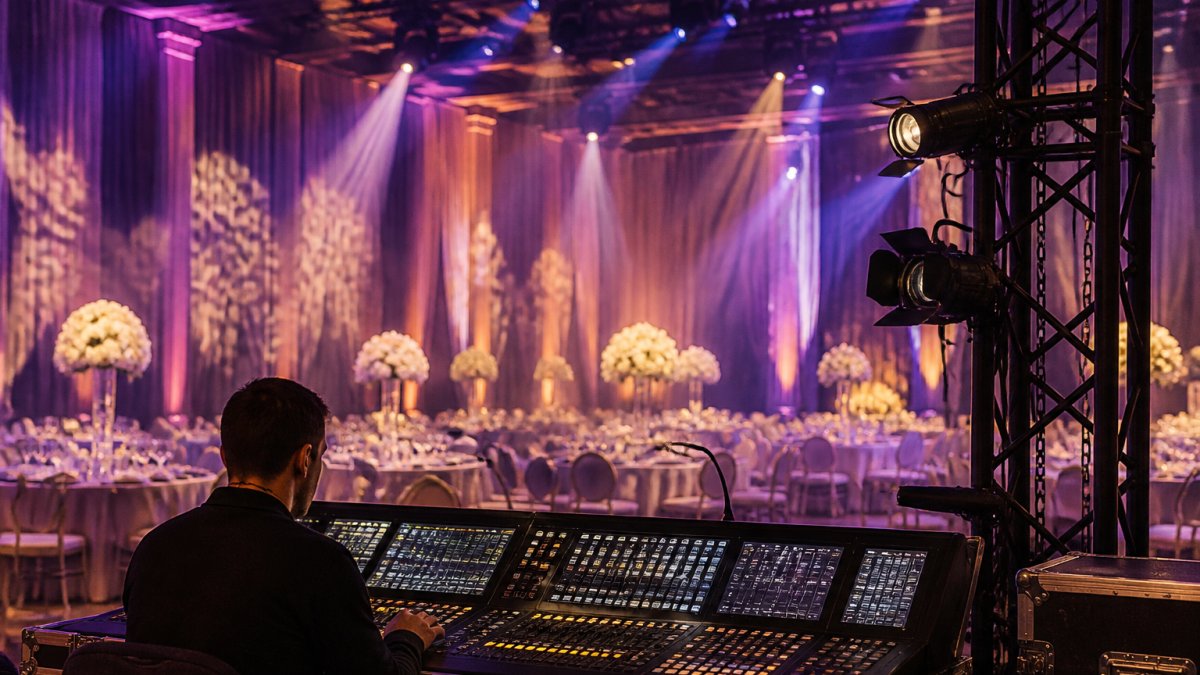
For the dance floor, introduce movement and color: gobo projection creates patterns and texture, and a slowly rotating color wash in complementary hues (amber to blush to soft purple) adds interest without chaos. The key is restraint, luxury lighting suggests rather than shouts.
Keep lighting softer and more romantic early in the reception, then increase intensity and color saturation as the dance floor heats up, a progression that feels natural and prevents lighting fatigue.
Don't overlook walkways and transition spaces: subtle pathway lighting, low-level uplighting or string lights keeps the experience consistent when guests move from a beautifully lit ballroom into a hallway.
Mastering Event Uplighting for Architectural Impact
Uplighting transforms a venue's architecture into a design element, turning walls from neutral backdrops into canvases for color and texture.
The technique is straightforward: position fixtures at the base of walls, columns, or architectural features and aim them upward.
Warm amber and soft gold uplighting creates elegance and timelessness. Blush and rose tones feel romantic and contemporary. Deep jewel tones, emerald, sapphire, burgundy, convey sophistication and luxury. The mistake many planners make is choosing too many colors.
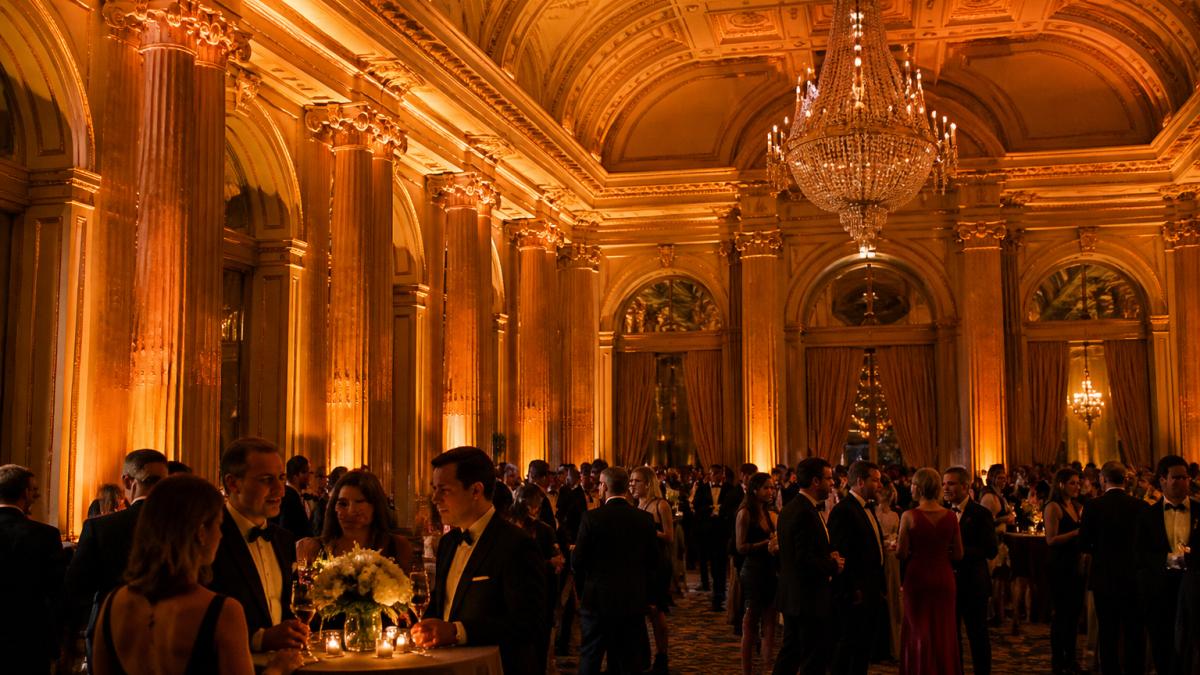
Power requirements matter: each uplighting fixture typically draws 150-250 watts, so a 20-fixture system needs dedicated circuits and proper distribution. This is where technical planning separates polished executions from installations that trip breakers mid-reception.
Building Layered Lighting and Focal Point Strategies
Layered lighting combines fixture types and intensities to create depth using three layers: ambient (overall room light), accent (highlighting specific areas), and task (functional light for dining).
In luxury event design, you're adding a fourth layer: decorative. String lights, candles, and sculptural fixtures that serve no functional purpose but create atmosphere. This is where personality emerges.
Focal points are destinations for the guest's eye.
The strategy is hierarchical: primary focal points (stage, altar, head table) receive the most intense accent lighting, secondary focal points get moderate accent, and ambient fill ties everything together at lower intensity.
This creates visual flow: guests gravitate toward well-lit areas and linger longer. Properly executed, focal point lighting feels effortless, guests simply find themselves drawn to the right places at the right times.
Event Lighting for Photography and Visual Documentation
Photographers and videographers operate in the lighting you create. Harsh shadows, color casts, flicker, and insufficient light create problems downstream, amplified in luxury events, where documentation is part of the deliverable.
The fundamental rule: avoid pure white light directly overhead. This creates unflattering shadows on faces and washes out skin tones. Instead, use warm light (3000K or below) at angles that are flattering.
Flicker is a hidden failure mode: some LED fixtures and dimmers produce flicker invisible to the eye but visible as banding in video.
For seated dinners, uplight walls rather than downlight tables, and add subtle accent light on faces from the side, typically 45 degrees from the camera angle.
Coordinate with the photographer on key moments.
Finally, share the plot, cue list, and color temperatures with the photo team. A photographer who knows when the room shifts from dinner to dancing lighting can plan shots instead of chasing exposure.
Creating a Lighting Design Plan for Events
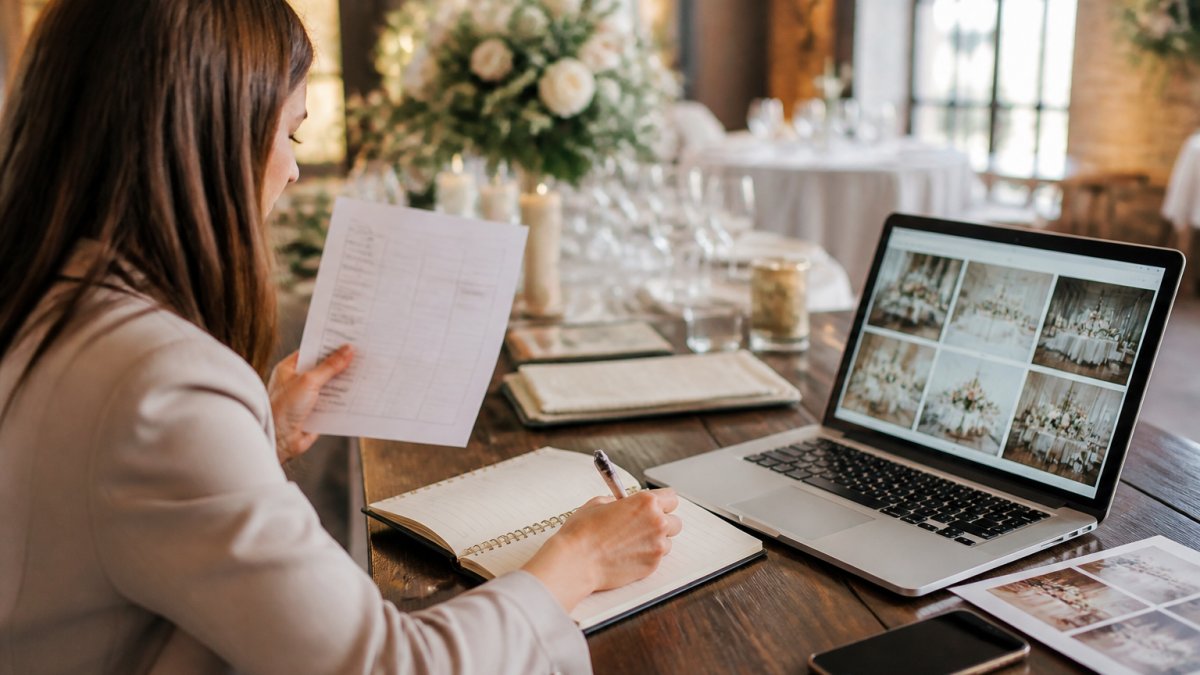
A lighting design plan is your blueprint for execution, documenting every fixture type, placement, color, intensity, and timing decision.
Start with a site survey, not a floor plan.
Next, build the lighting plot. A professional plot shows fixture positions, beam angles, gel or color settings, and control channels.
Power and rigging are where plans fail. Calculate total draw before you specify fixtures. A typical LED uplight draws 100-200 watts; a moving head can draw 300-600 watts.
Define lighting zones and a cue timeline.
Document fixture specifications and quantities: LED uplights (wattage, color options, beam angle), gobos (pattern numbers and rotation), moving lights (if used), and decorative fixtures.
Budget drivers follow directly from the plan. Venue size and ceiling height determine fixture count and throw distance. Rigging and power distribution add labor and equipment.
Eventscape helps planners visualize their complete lighting design before implementation.
Professional event planners increasingly use design tools to create client-ready presentations.
Visualizing Your Luxury Event Lighting Before Setup
The gap between concept and execution is where most event lighting plans fail, a beautiful idea doesn't translate to reality without proper visualization.
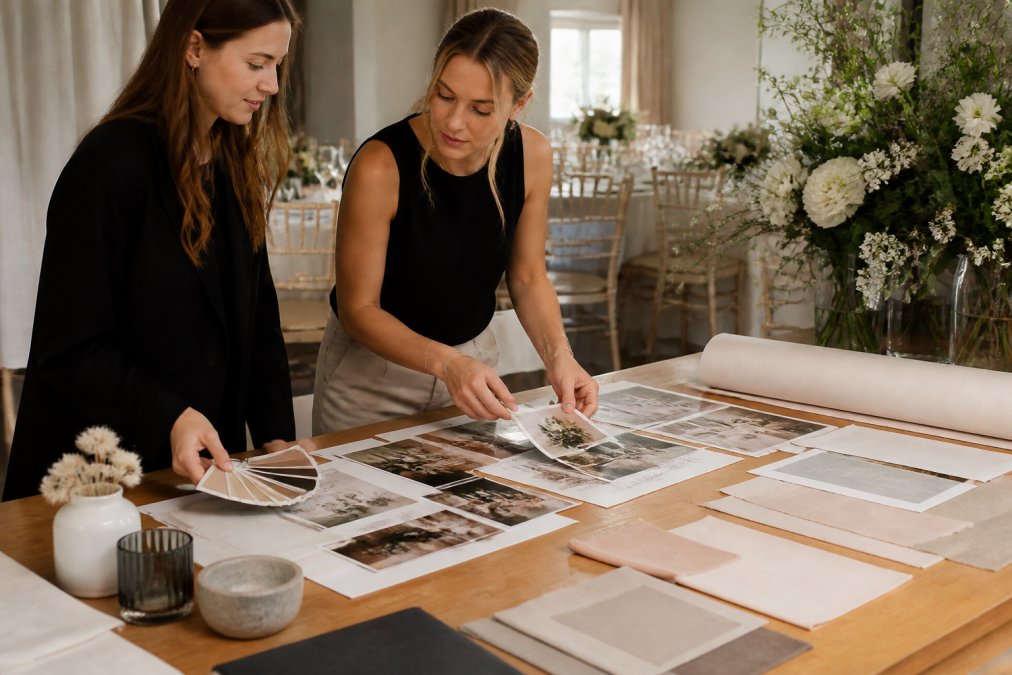
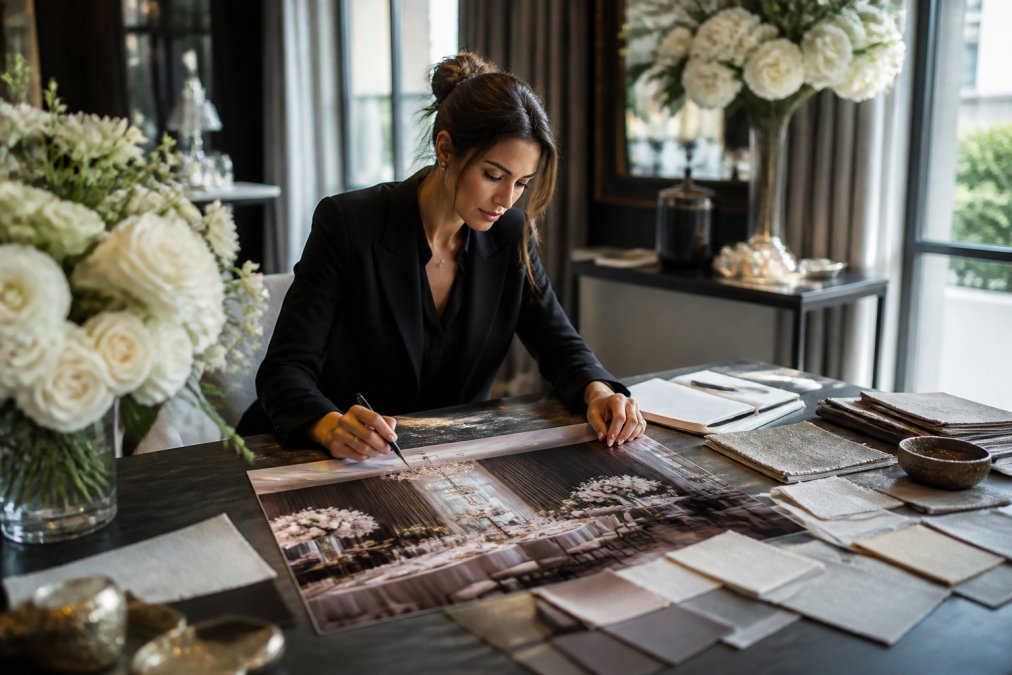
Mood boards, Pinterest collections, fabric swatches, inspiration images, are static and don't show how light behaves in three-dimensional space.
Modern visualization tools let you see your complete event design, including lighting, before a single fixture is hung. You can test color palettes, compare uplighting placement options, and adjust intensity in seconds.
The best practice is iterative visualization: create your initial lighting plan, render it, review with your client, adjust, and render again.
Visualization also catches technical issues early. You might render your design and realize the uplighting creates harsh shadows on the dance floor, or the color palette clashes with the venue's existing décor.
Mood boards that show lighting in context, how it interacts with florals, linens, and architectural features, communicate your vision with clarity that words alone cannot achieve.
Luxury event lighting design is fundamentally about intentionality: every light placement, color choice, and intensity decision should serve your event's purpose.
| Technique | Purpose | Best For |
|---|---|---|
| Uplighting | Highlight walls and architecture | Creating depth and visual interest |
| Gobo projection | Add pattern and texture | Dance floors and accent areas |
| Accent lighting | Draw attention to focal points | Head tables, altars, stages |
| Ambient wash | Overall room illumination | Establishing baseline brightness |
| Decorative fixtures | Aesthetic enhancement | Creating luxury and sophistication |
Frequently Asked Questions
What are the main types of lighting used in luxury event lighting design?
Luxury event lighting design combines four primary types: ambient lighting provides overall illumination and sets the baseline mood; accent lighting highlights focal points like stages, altars, and architectural features; task lighting ensures visibility for dining and activities; and decorative lighting adds visual interest through gobos, uplighting, and color effects. The combination of these layers creates depth and emotional resonance. Warm tones (2700K-3000K) evoke romance and elegance, while cooler tones add modern sophistication. Strategic placement of each type transforms raw space into an immersive experience.
How do you layer lighting for a luxury event?
Layered lighting begins with a foundation of soft ambient light, typically 40-50% of total brightness. Add accent lighting to highlight key features, walls, structures, and focal points receive 30-40% of brightness through uplighting or wall washing. Decorative elements like gobos and textured washes contribute 20-30%, adding pattern and movement. Task lighting ensures dining areas and walkways remain functional. This hierarchy prevents flat, one-dimensional spaces and creates visual depth. Testing fixture placement and color combinations during planning prevents expensive on-site adjustments and ensures the final result matches your luxury aesthetic.
How should event lighting be planned for photography and visual documentation?
Event lighting for photography requires balancing ambient brightness with dramatic effects. Avoid harsh shadows by softening direct light with diffusers or bouncing light off ceilings and walls. Warm uplighting (2700K-3000K) photographs beautifully and flatters skin tones. Position key lights to define facial features and depth, and use backlighting sparingly to avoid blown-out camera sensors. Coordinate with your photographer about flash restrictions and preferred color temperatures. Gobos and textured washes add visual interest in photos without overwhelming subjects. Test lighting setups with sample photography before the event to confirm colors render accurately and focal points stand out.
What is the best approach to creating a lighting design plan for events?
A comprehensive lighting design plan starts with a venue walkthrough to identify architectural features, ceiling height, wall colors, and natural light sources. Map focal points (stage, altar, tables, entrance) and assign lighting priorities. Sketch fixture placement on a floor plan, noting power requirements and cable runs. Select color palettes aligned with your event theme, warm tones for romantic elegance, cooler tones for modern sophistication. Document brightness levels and color temperatures for each zone. Share the plan with vendors, including florists and decorators, to ensure cohesion. Finalize designs 2-3 weeks before the event, allowing time for equipment rental and installation rehearsals.
Can AI-powered design tools accurately visualize luxury event lighting before setup?
Modern AI design platforms generate photorealistic visualizations of event spaces, tablescapes, and room ambiance in minutes. These tools are especially valuable for luxury events where clients expect precision and nuance. By describing your vision in detail, including color palette, fixture types, mood, and architectural features, AI platforms can produce accurate renderings that communicate your design intent to clients and vendors. The visualizations help identify potential issues (color clashes, insufficient focal point emphasis, power placement) before implementation. While AI visualizations guide planning, confirm final details with your lighting designer and test setups on-site to account for venue-specific variables like paint finish and ambient conditions.
How does color temperature affect the mood of a luxury event?
Color temperature, measured in Kelvin (K), directly shapes emotional response. Warm white light (2700K-3000K) creates intimate, romantic ambiance and flatters skin tones, ideal for weddings and upscale receptions. Neutral white (3500K-4100K) feels clean and modern, suited to contemporary corporate events. Cool white (5000K+) conveys energy and sophistication but can feel clinical in excess. Layering different color temperatures adds depth: warm uplighting on walls combined with cooler accent lighting on focal points creates visual interest and emotional complexity. Test color combinations in your venue's actual lighting conditions, as paint colors and finishes affect how light renders.
What role do gobos and textured washes play in luxury event lighting design?
Gobos (patterned projection templates) and textured washes add visual depth, pattern, and movement to event spaces without overwhelming guests. Subtle geometric patterns or nature-inspired designs (leaves, branches) projected onto walls or ceilings create an elegant backdrop for photos and conversation areas. Textured washes, layered color effects created by multiple fixtures, add richness and dimension to architectural features. These techniques are especially effective for highlighting focal points like stages, altars, or feature walls. Use gobos and textured washes strategically (20-30% of total lighting) to enhance, not dominate, your luxury aesthetic. Coordinate placement to avoid casting distracting shadows on guest faces or dining surfaces.